

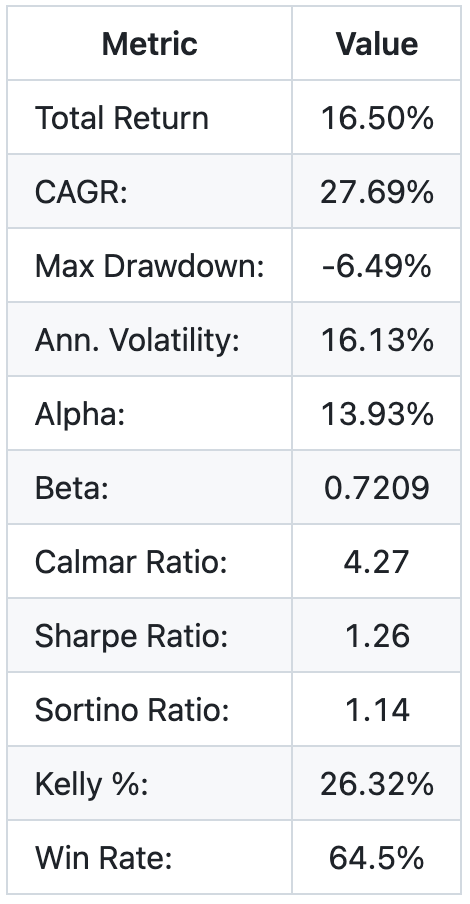
After a rough first quarter, the second quarter becomes harder, with volatility further compressing performance, the market has done a series of dead cat bounces as it tries to come to terms with a more uncertain policy environment, and in the midst of that swings wildly as it tries to figure out the longevity of themes such as oil, war and AI. On top of all this, you have a very strange macroeconomic climate that is sending mixed messages, CPI has been up and down, so has WTI brent crude, oil futures are wobbling violently and the Feds new chairman Kevin Warsh has not given many clues as to whether interest rates will rise or fall. Despite this, the portfolio manages to command a lead of about 9% over the SNP, a fall from the Q1 performance where it held a 12% lead but never the less still respectable performance. I do believe that this will pickup towards the end of the year as policy begins to settle in specific directions.
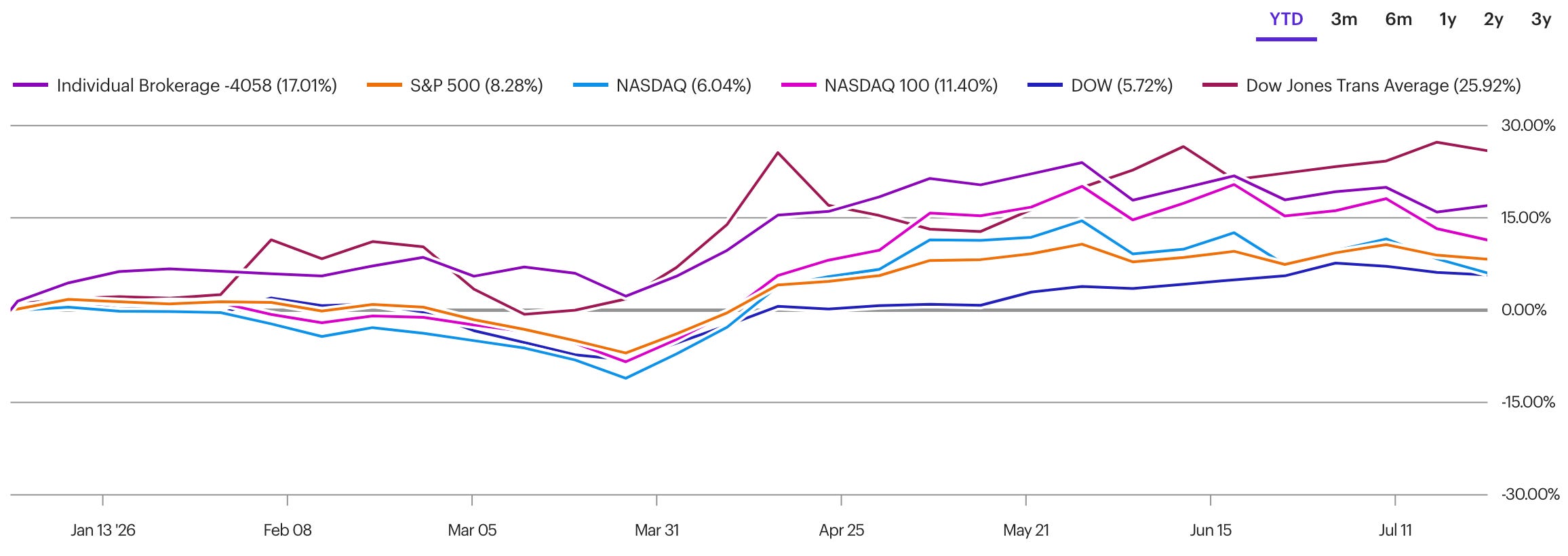
Unfortunately the portfolio is down compared to Q1 by about -1.2%, while the SNP has closed the gap by about 4%. This is largely due to institutions noticing large amounts of skew in the SNP where the Mag7 was accounting for large rises in the equity prices, and decided to de-risk themselves by spreading their capital across the entire SNP basket to take away the skew.
The performance of the individual tickers can be seen below:
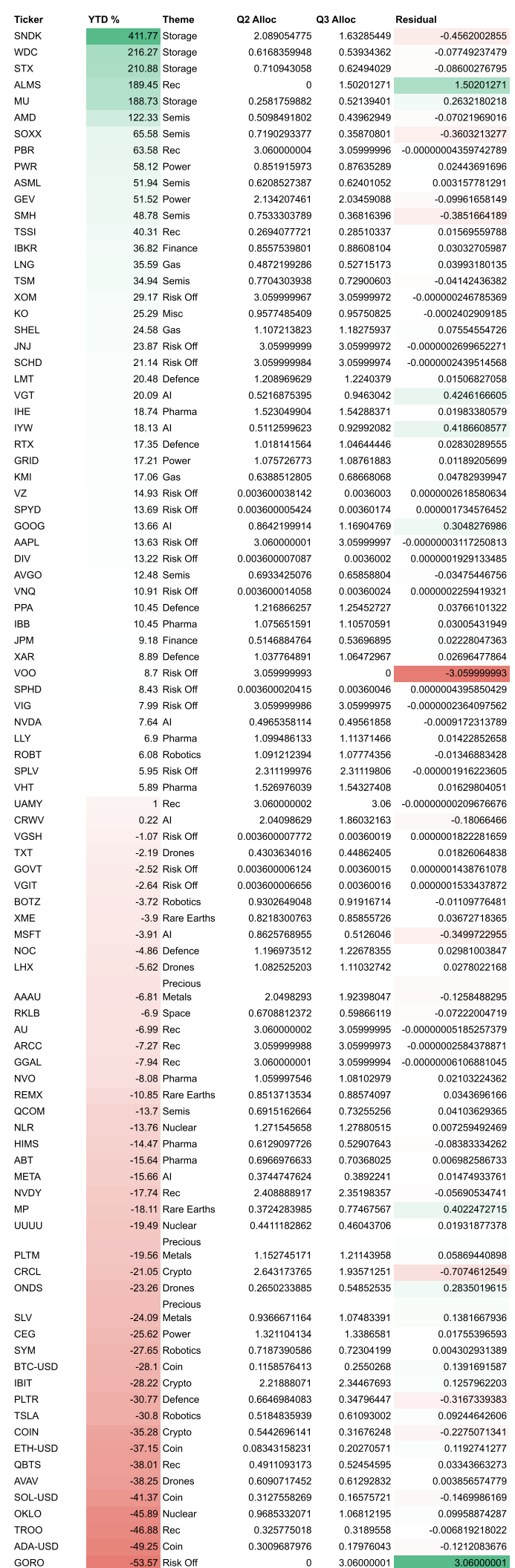
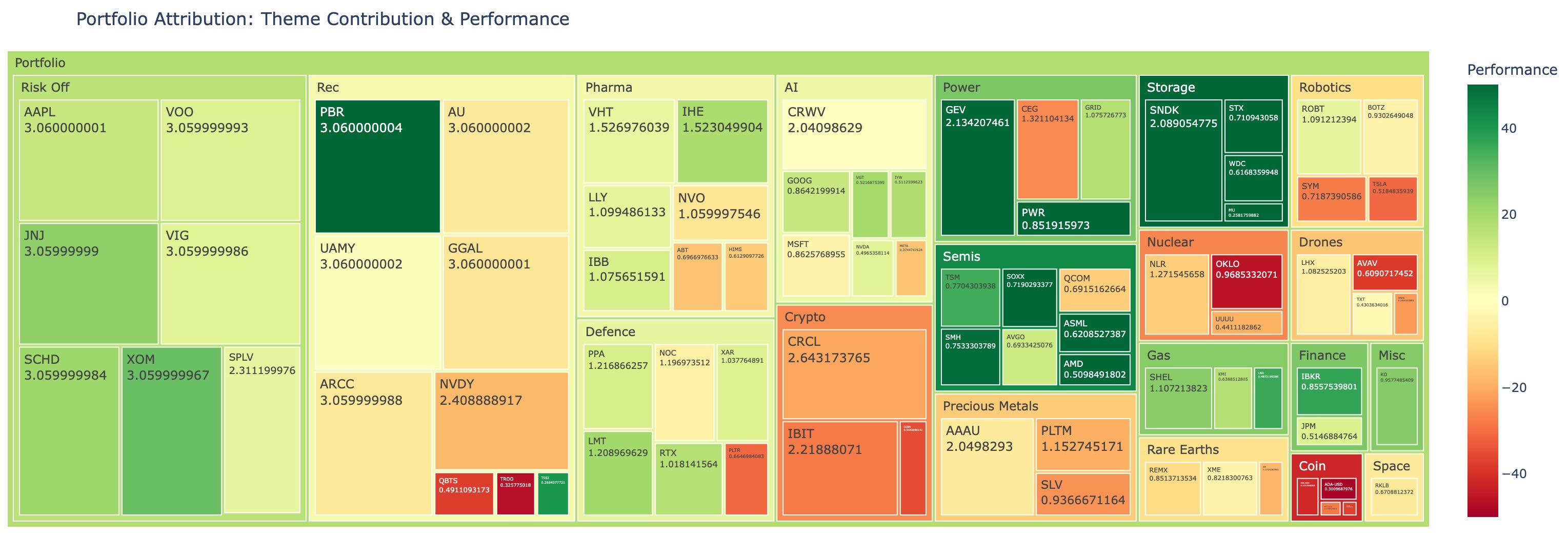
Storage, Power and Semis continue to dominate the returns, with Risk Off continuing to do very well as well, some of the more speculative plays like Nuclear, Robotics and Drones are a mixed bag, while crypto and coins are dragging everything down in a nasty way.
In terms of this quarters recommendations, we are doing the following:
Insertion of Alumis Inc to the Risk-On portfolio.
Removal of ProShares Bitcoin ETF from the Risk-On portfolio.
Insertion of Goldberg Mining Group to the Risk-Off portfolio.
Removal of Vanguard S&P 500 ETF from the Risk-Off portfolio.
Themes
Pharmaceuticals: Biotech ETFs like IHE have been performing quite well thanks to its large ownership of JNJ, however our picks of Eli Lilly (LLY) and Novo Nordisk (NVO) continue to under perform the market. I do have hopes that with Retatrutide coming onto the market LLY will pick back up, indeed it was rumoured this was the weight loss drug Trump got himself on the FDA trial with.
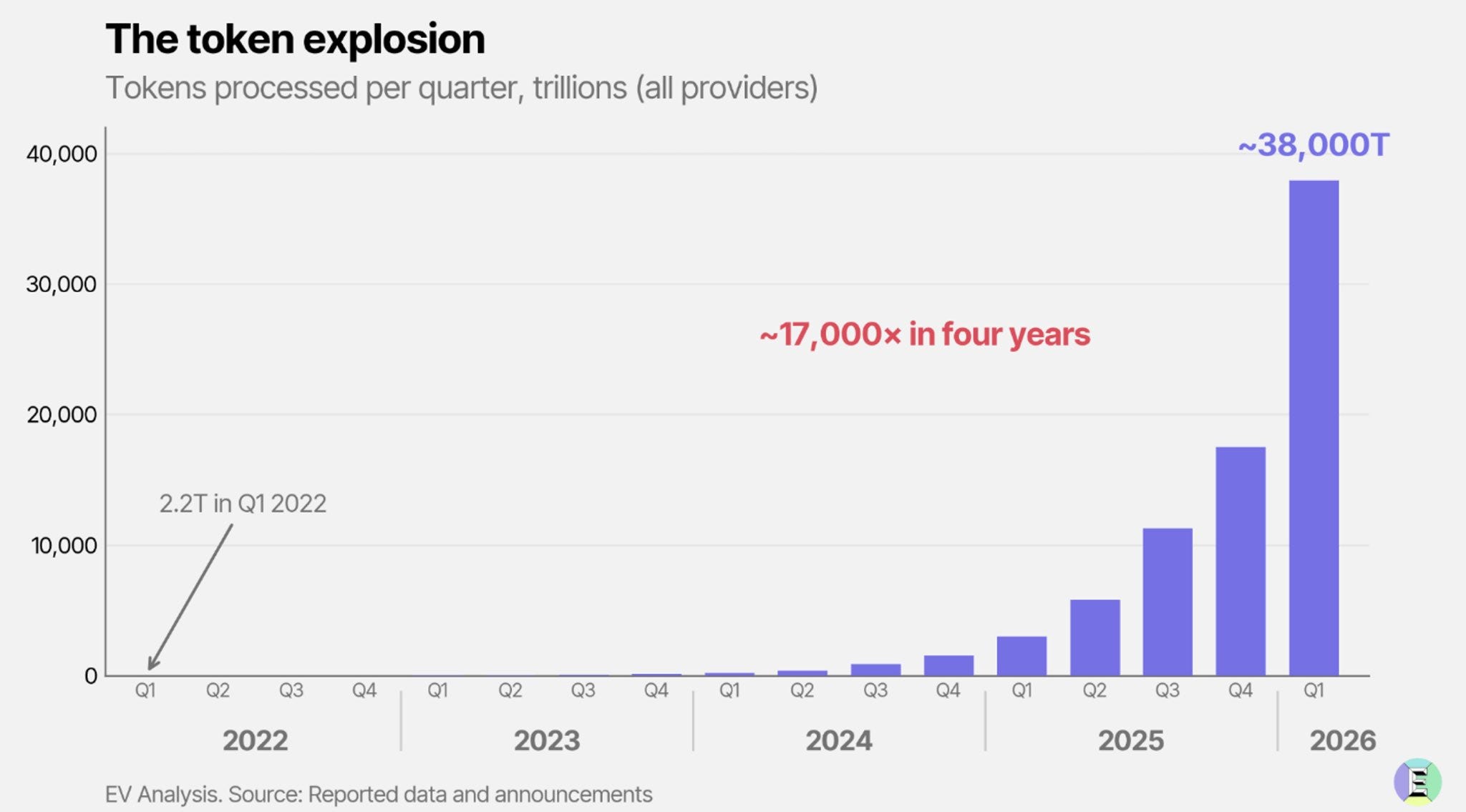
AI: Well what a quarter for this theme. On the whole, there is skepticism that the capex can continue for years, but for the present, continue it does. This skepticism is not just reflected in the stock price, it is reflected in the CDs for the tickers, like NVDA’s. In the meantime, these players are not just making datacentres and buying chips, they are investing in long haul dark fibre across the USA, the goal clearly being to invest and own all the bottlenecks of this industry. Model competition has gotten fierce from China, but looking at the long term, the open source industry has existed since computers were made, and yet we have cloud companies pulling in record profit, so it is unclear that this is going to lead to anything but better models at better price points due to economic pressure, and still healthy margins for the frontier labs. A lot of questions remain about how NVDA will fare as more and more companies keep investing in their own chips like GOOG’s TPUs or OpenAI’s Jalapeno, I think Jensen Huang has a good answer here, that while this custom silicon can do specific jobs, NVDA remains the leader in accelerated hardware that has broad applicability. The demand for compute is so great big companies can’t build fast enough and are leaning on Neoclouds (like CRWV) to take some of their compute demand, and as such lock in long term contracts with these providers making these businesses much more attractive and easing some of the enormous private debt pressure they have taken on to build out this compute. Meanwhile Meta has teased out the idea of using some of its compute to become a cloud provider, which allows it to hedge its bet on becoming a dominate AI model lab, while this may seem bearish it just allows them to capitalise owning more of the AI stack while diversifying their risk, which can only be described as a sensible business strategy. Trump suggested recently that “Whoever wins AI is going to win. That’s how big this is” so you can be sure the government are paying attention and want this industry to succeed.
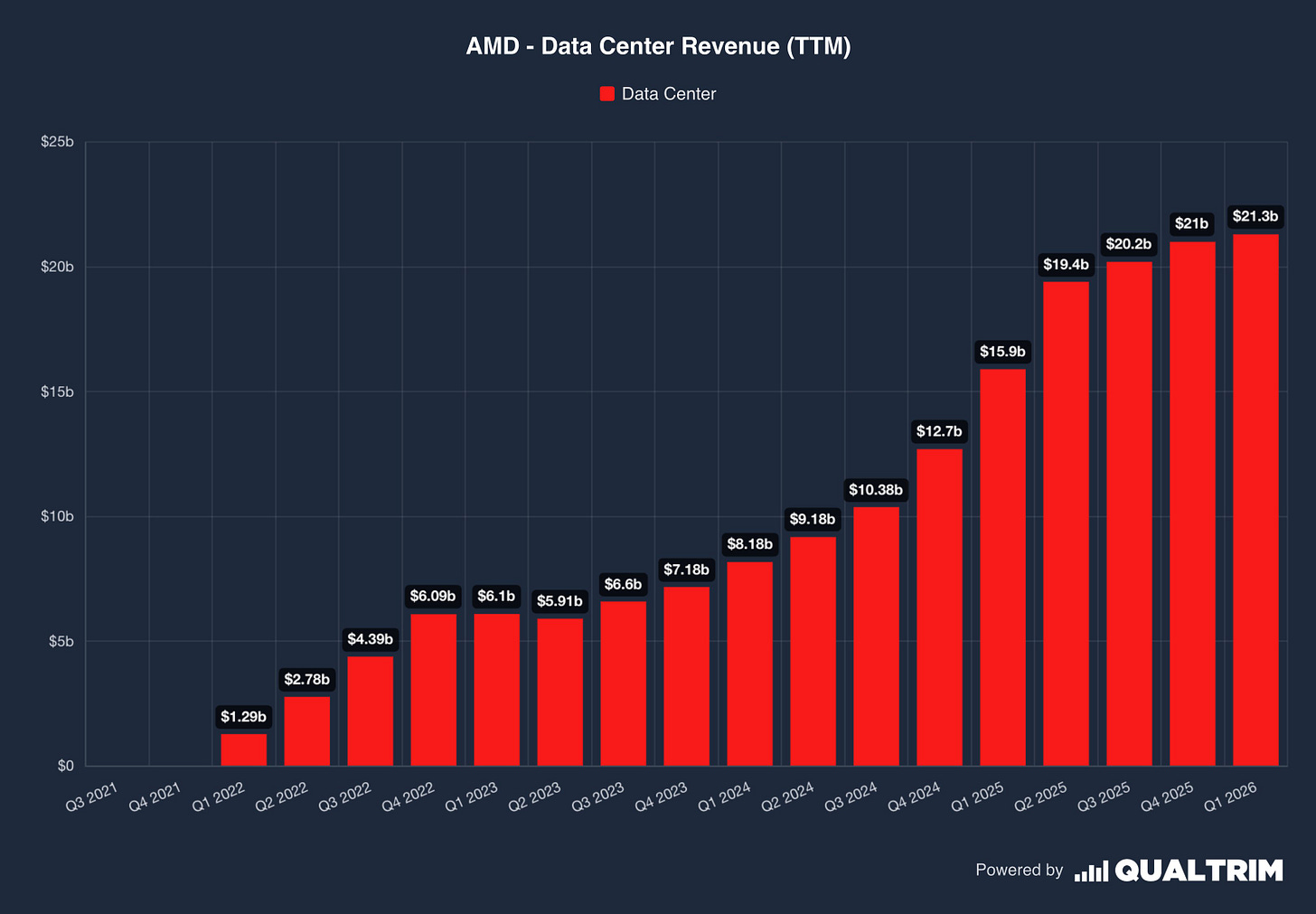
Semiconductors: Like the AI theme, this is overshadowed by a market skeptical that capex will be maintained for the coming years ahead. While the same counters apply, we need to take a look at what this means for this theme as it operates at a lower level than frontier labs. A huge bottleneck in this whole process is the UltraViolet Lithography machines ASML produces. They have back orders worth ~40 billion USD which should keep them occupied for many years ahead. The stock got hit recently with the news that a Chinese competitor is managing to get close to ASML performance with their lithography techniques, however I believe these are still years out before they become real competitors. AMD has continued to challenge the CUDA GPU monopoly slowly by with its open ecosystem accelerator roadmap, which will help it sell more of its own GPUs to labs. Qualcomm (QCOM) has pivoted into providing full-stack AI engines into its highly efficient chips, and targets both the edge with its Snapdragon Ride and data centre computing with its Snapdragon X2.
Crypto: It’s been a terrible year for crypto, it’s flagship product Bitcoin can’t seem to get out of its slump. I suspect with ETFs like IBIT and BITO true financialisation of this asset has begun, and with that it doesn’t trade like it used to, and more like a standard asset. Stablecoins like CRCL have seen their moat disappear as regulators allow banks to issue their own stablecoins, however lots of innovation is being done to make use of this payment method, such as Cloudflares Monetization Gateway or using stablecoins within AI, this could mean a bigger and faster adoption of stablecoins which may allow many players to have slices of a larger pie.
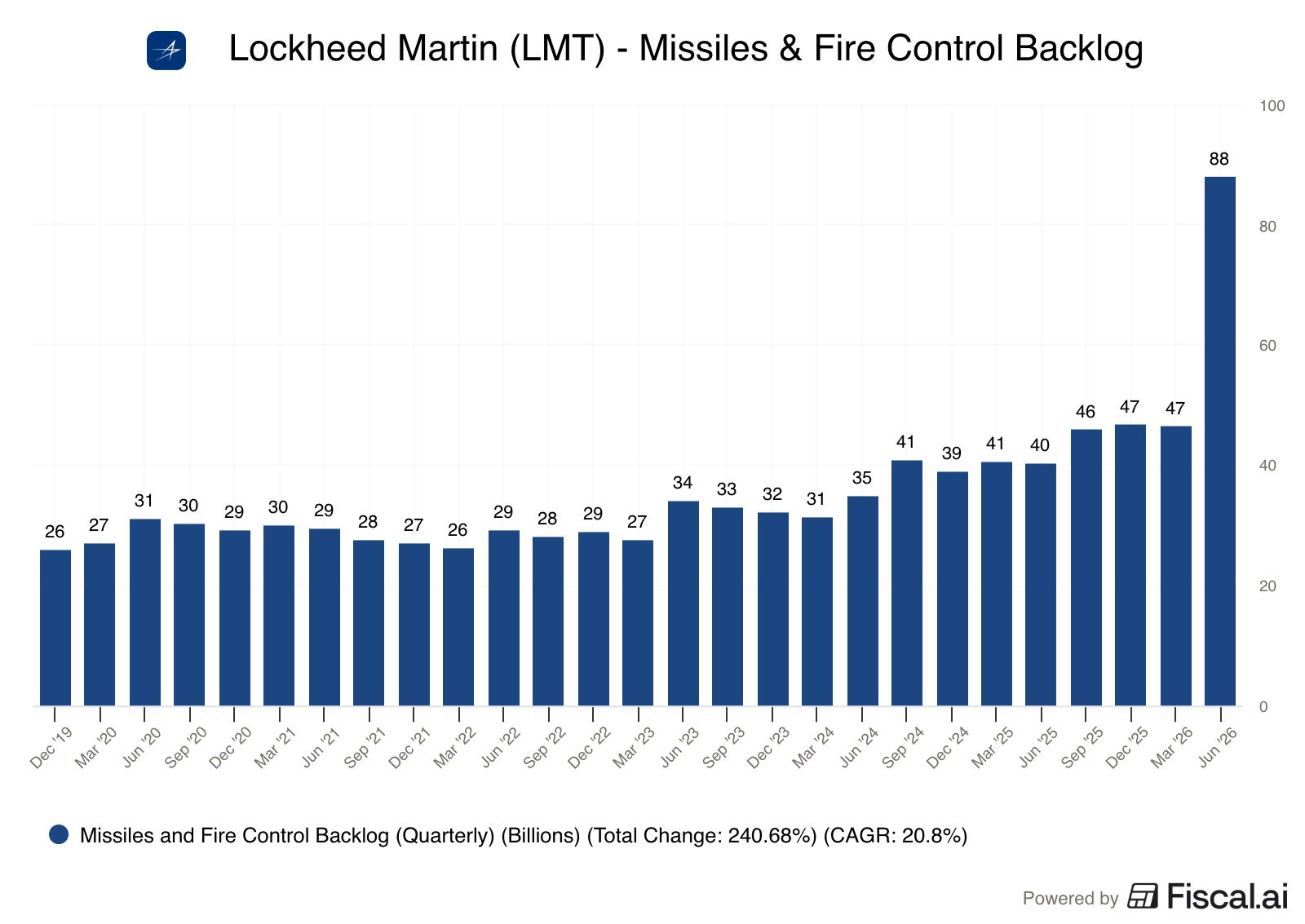
Weapons: Recently the military industrial complex had a windfall when the house passed the 1.15 trillion defense bill. Lockheed Martin (LMT) has reported a 41 billion USD backlog just for their missile program. While this has made the sector better on the whole, it is still a disappointment given the sectors major year. I think we may be at a point where the government is looking towards thriftier companies than the big behemoths that are proving too slow and costly at manufacturing in an emergency.
Rare Earth Mining: This theme is not performing well this year, but this does not mean the USA has given up on its mission to end reliance on Chinese Rare Earth Minerals, in fact Trump has said they aim to do just this by the end of 2027. This can only mean much more business for this sector as they ramp up refineries to compete with China, who currently owns 80% of the market.
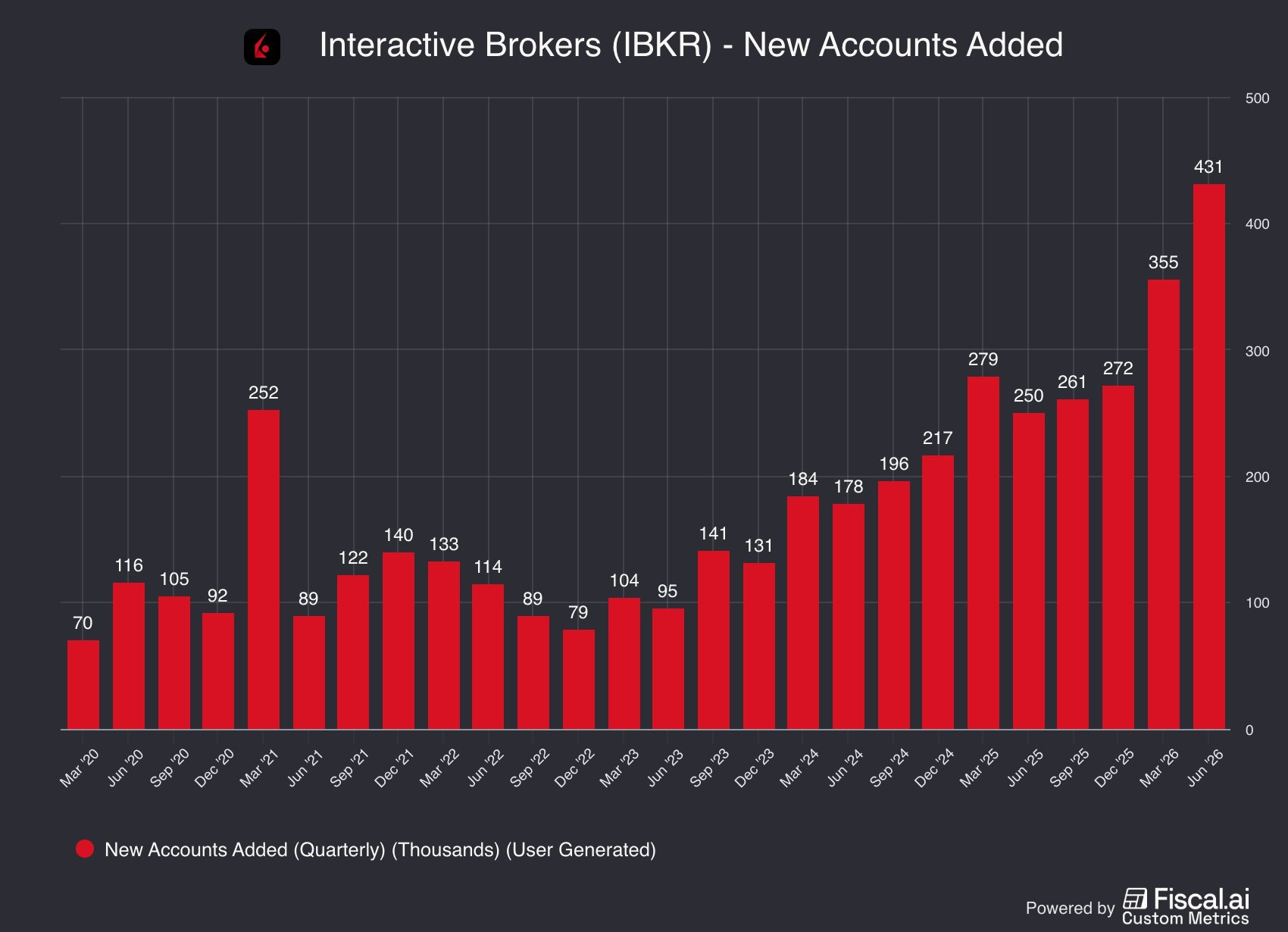
Financial Services: The big winner of this theme is Interactive Brokers (IBKR) who has had a record amount of new accounts open, and is clearly growing quarter over quarter. As the average retail investor gets smarter, this will only do better. In addition to this they opened up access to KOSPI.
Nuclear Energy: A very bad theme for this year, but still with a lot of potential. It seems somewhat curious that this theme should be doing bad this year when the Iranian war has put such pressure on petroleum and LNG, however this theme is too bogged down by the skepticism that investors have around sustained AI capex. There is a big push by the USA to invest in OKLO and XE to provide power to data centres.
Power Utilities: Another theme that is impacted by AI capex skepticism, however it is low enough down in the AI stack that it is seeing real cash flow rather than just commitments, and the USA has taken notice. Larry Fink from Blackrock sounded the alarm that due to power being a bottleneck of AI, the race will be run by whoever can build enough power fast enough. A lot of these tickers are up 50% on the year making them some of the best performing in the portfolio. GE Vernova (GEV) has a backlog of 176 billion USD for their products, a lot of which are turbines.
Precious Metals: Finally a theme that is orthogonal to the AI capex boom, but unfortunately not doing so well. Gold sits on about -6% for the year, while silver and platinum sit well below that. The main reason for this has been a large amount of capital flight to safe harbour assets like USD due to the war with Iran, and central banks selling their gold holdings, silver and platinum remain highly speculative and volatile versions of the same asset class. Never the less, the M2 is at all time highs, and Ray Dalios thesis continues to hold.
Storage: This theme is a huge bottleneck for the AI capex buildout, and easily the best performing theme for the year, despite a pullback in the last quarter. These P/E valuations are insanely low for some of these tickers, so much so that Micron (MU) could afford to buy itself back in just 4 years, indeed some UBS analysts believe thats just what it may do. The market was rocked by the float of ChangXin Memory Technologies which breaks South Koreas hold on the memory market, however we have to remember that this company is currently under sanctions by the USA, which Apple are trying to desperately overturn. Even in the event that they do, estimates show that the Chinese memory companies are struggling to supply even the Chinese market (via Dylan Patel). Nearly every analyst has said this theme is a buy, and given that I believe the AI capex boom will continue, this can only go up from here. This theme has also been the victim of large of amounts of liquidity cascades due to the extreme leverage being used by retail traders on KOSPI (I have written about this below, it deserved a special mention).
Drones: Like weapons, a disappointing theme given the year that has occurred. It has never been more obvious that Drones are going to be a major part of warfare going forward, and that as international organisations grow powerless to stop conflict war will just continue to increase. However if you look at the Drones theme, it is underwater. So what’s going on? A lot of these companies are in growth mode, acquiring other companies and doing roll-ups to increase their surface area, in order to get the capital to acquire these companies they are diluting their shares. Meanwhile these stocks are heavily shorted, with ONDS having short interest over 30%. On the other hand, Blackrock now holds a large amount of the stock with a 7% stake, the cost to borrow against the shares for shorting continues to rise and is now at ~9%, they have had great wins providing counter drone protection for the FIFA world cup, and their joint venture Onberg has made progress in the Ukrainian theatre. In addition to this, Anduril (a close proxy) is in talks to raise at a 100 billion USD valuation, which should reset the expected value of these companies upwards.
LNG Energy: Not a bad theme, all these positions are up and up more than the median of the portfolio, however none have performed like superstars. Chenerie (LNG) and Shell (SHEL) all performed well due to the restriction of Qatari LNG exports through the Strait of Hormuz, and Kinder Morgan (KMI) continues to sell turbines for the AI capex boom.
Robotics: A very silent theme, not a whole lot has happened here as a lot of oxygen has been sucked out of the room thanks to the war and the AI boom. As a result this theme is low to neutral in its return. The USA haven’t said or done much in the way of stimulating investment here, which was part of the core thesis at the start of the year, but the reality remains that China still dominate this field, and I expect this will cause some consternation towards the end of the year. In the meantime, Elon Musk says TSLA is full speed ahead on Optimus, with the first factory designed to produce 1 million robots per year.
Space: Rocketlab (RKLB) has been making great progress on this front, they were awarded a $266M contract by the USAF, they are building a new launch site in Kodiak, Alaska, and the department of war is considering much bigger contracts in this space. The biggest bull sign of all though, Nancy Pelosi has taken a significant interest in the stock, and if the Pelos is in, I have to be as well. This theme is obviously being dominated by the SpaceX (SPCX) IPO, which I have written about below.
Events
Iranian War: This huge geopolitical event is sucking all the oxygen out of the room as far as economics is concerned, and clearly has the USA’s administration focused on it rather than other economic events. In terms of the risk, a large amount of the world’s petroleum, LNG and fertilizer have been cut off from the global economy, however its also important to understand how much, and how markets have adapted to this new reality. According to the WTI, the shock was indeed felt with oil prices, however they have since returned to normal (although right now are back on the rise). If you are a doomer, this may have seemed odd to you, and indeed you are in good company, it was certainly odd to The Economist, and in a static world this would have been the correct thesis. But the interesting thing about the market is how it responds to incentives, and once oil began to rise the game changed, the US has become the world’s top oil exporter, Australia has risen its export volume of LNG, China has stopped importing oil at the same rate, Venezuela has supplied Americas allies with oil rather than its enemies, pipelines such as the East-West Saudi Arabian pipeline and the UAE’s Fujairah pipeline are pumping more than ever. In addition to this, ships have begun turning off their AIS transponders while hugging the Omani coast to evade the ire of Iran. OPEC has also been hit, as the UAE left it earlier this year, and it is rumoured that Kuwait, Bahrain and Iraq might follow suit. This would allow the market to set the oil prices rather than a geopolitical cartel, which should drive down prices for everyone. On the other hand, the USA’s SPR is at almost record lows, and there are rumours the US Treasury is interfering with the price of crude oil futures (by aggressively shorting them). With wave after wave of bombing, the US’s plan is now to hit bridges and power plants to hobble the Iranian ability to counter them. The problem they face here is this is an asymmetric war, not just militarily but also economically. The USA has largely destroyed the Iranians ability to return fire at them, but the word largely is doing a lot of heavy lifting in that sentence, while the Iranians may have a large magazine, they cannot reliably launch these missiles en mass due to the USA’s space based sensors detecting the heat they produce and providing a response within minutes. Now you may be asking yourself how to square this given that Iran has successfully attacked American bases in Jordan, Saudi Arabia and Bahrain, the issue here is the system that destroys missile launches is only functional after a single missile has been launched, but that still allows Iran to launch a few before being shut down, and that’s exactly what you are seeing. The same thing happens in shipping, by targeting just a few ships they can send insurance costs spiking for them all making them very reluctant to make the journey across Hormuz. The same economics apply to the Houthis in the Bab-El-Mandeb strait. It is right now unclear to me as to how this will play out, my guess is the administration is currently going for economic starvation in Iran, removal of Hezbollah in Lebanon, and the quelling of the Houthis in Yemen.
KOSPI: One of the craziest events happening this year is the wild swings we are seeing in the South Korean equities markets (KOSPI), just this year 9 circuit breakers have been activated, there have only been 15 in its entire history. The entire market has swung wildly with +/- 10% not uncommon. It looks like Korean retail traders have been using leverage, and now 1.2 million of them have been margin called. They are mainly investing in the memory and semiconductor boom. Now what happens when a large amount of traders get margin called on the same tickers? They are forced to sell to cover their margin, which applies selling pressure on these assets, divorcing the price from the value causing a liquidity cascade, and that is where I believe we are at now with storage stocks.
Situational Awareness: The hedge fund set up by Leopold Aschenbrenner was forced to sell most of its heavily leveraged positions to Citadel, a warning to those who leverage long beta (Cathie Wood was another manager who has succumbed to this temptation). While the funds performance was admirable, it seems like it was trading gains for risk, and the risk eventually caught up to them. Unfortunately for them, it looks like Citadel may have precipitated the circumstances under which Situational Awareness had to sell to them by spooking the market over interest rates before the FOMC meeting, crashing the prices of these positions. Once the news came out that hikes were unlikely, these positions shot up netting Citadel a huge profit.
SpaceX IPO: I have chosen to wait until the end of the year to invest in SpaceX, I believe the lockup timeline might be worth waiting out since shareholders will probably want some liquidity, I also do note that most IPOs follow a U shape where they dip initially on the hype and take a bit of time to find their value through their business endeavours. The SpaceX IPO was also so big that I believe it has sucked capital away from some of the other themes in this portfolio towards it, you will notice that memory and semiconductors started to go down just after the IPO.
![r/dataisbeautiful - [OC] SpaceX Share Unlock Timeline (2026–2027)](https://substackcdn.com/image/fetch/$s_!QQBJ!,w_1456,c_limit,f_auto,q_auto:good,fl_progressive:steep/https%3A%2F%2Fsubstack-post-media.s3.amazonaws.com%2Fpublic%2Fimages%2Fd698cac6-ef06-4ecd-a5f3-ecf0e22ad955_7917x8250.png "r/dataisbeautiful - [OC] SpaceX Share Unlock Timeline (2026–2027)")
Skew Rebalancing: A talking point I have picked up on by the more professional managers is they are betting on a mean reversion play where the S&P will return to a flatter distribution. Indeed Citadel has written about the need for a reset around tech valuations, as Mag7 has been dominating the returns in this index. This means that a lot of large institutional players will be moving their money out of these high growth stocks and into parts of the S&P that have good fundamentals and have been largely overlooked. This is sensible, and would have yielded you a good return this year especially combined with the capital flight to safety, however I believe we are about to go back into a growth regime, the fundamentals make sense even at the large skew these companies have in this index, and that it may look like the worse trade at the end of the year.
![r/dataisbeautiful - [OC] SpaceX Share Unlock Timeline (2026–2027)](https://substackcdn.com/image/fetch/$s_!QQBJ!,f_auto,q_auto:good,fl_progressive:steep/https%3A%2F%2Fsubstack-post-media.s3.amazonaws.com%2Fpublic%2Fimages%2Fd698cac6-ef06-4ecd-a5f3-ecf0e22ad955_7917x8250.png "r/dataisbeautiful - [OC] SpaceX Share Unlock Timeline (2026–2027)")